



CPR: A Life-Saving Technique
Cardiac arrest is a leading cause of death worldwide, claiming over 1 million lives annually. Unfortunately, only 1 in 10 people receive timely medical attention, and half of them die en route to the hospital. With prompt CPR, up to 50% of these lives could be saved.
What is CPR?
CPR, or Cardiopulmonary Resuscitation, is a technique used to restore heart function and breathing in someone who has stopped breathing or whose heart has stopped beating. It involves chest compressions and, if possible, artificial ventilation. The goal of CPR is to keep blood circulating and oxygen flowing to the brain and other vital organs until medical help arrives.
Key Statistics
- Cardiac arrest survival rates:
- With CPR: 50%
- Without CPR: 5–10%
- CPR effectiveness:
- CPR can increase survival rates by 2–3 times
- Every minute of delay in CPR reduces survival rates by 7–10%
When to Perform CPR
- If someone is unresponsive, not breathing, or has no pulse
- If they are experiencing cardiac arrest due to heart attack, respiratory failure, poisoning, or other causes
- Signs of cardiac arrest include:
- Sudden collapse
- Loss of consciousness
- No breathing or abnormal breathing
- No pulse or weak pulse
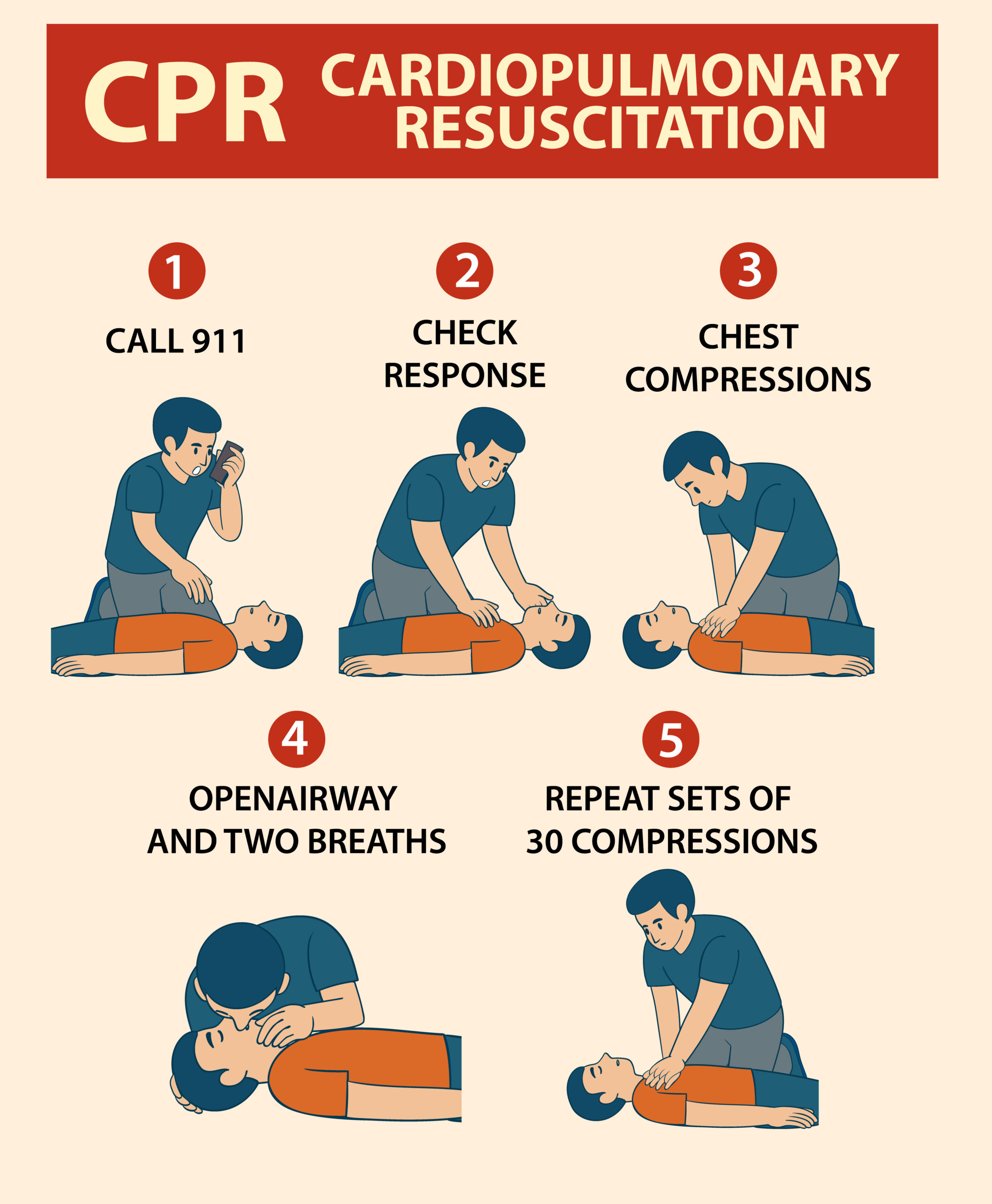
How to Perform CPR
- Check Airway, Breathing, and Circulation (ABCs)
- Call for help (dial 108 or your local emergency number)
- Check responsiveness: tap the person’s shoulder and ask if they’re okay
- Check breathing: listen for breath sounds and feel for air on your cheek
- Check pulse: feel for a pulse in the neck
- Start Chest Compressions
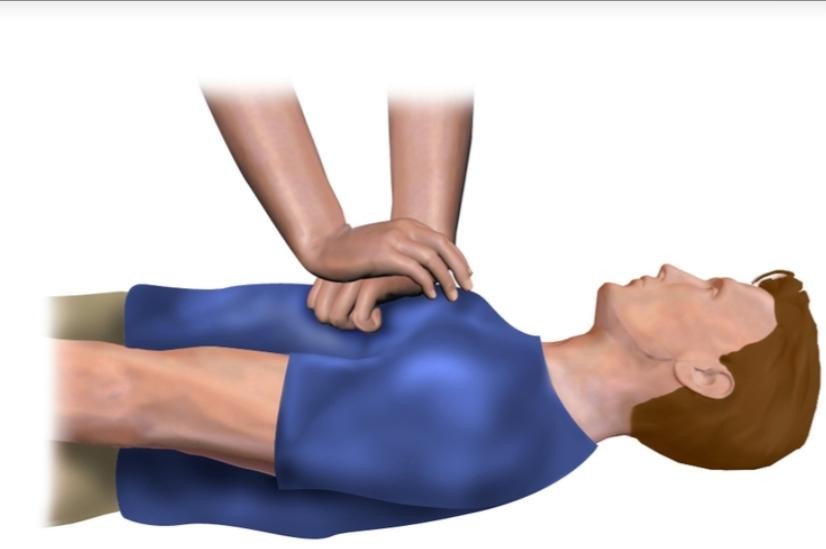
- Place the heel of one hand on the center of the chest, just above the nipple line
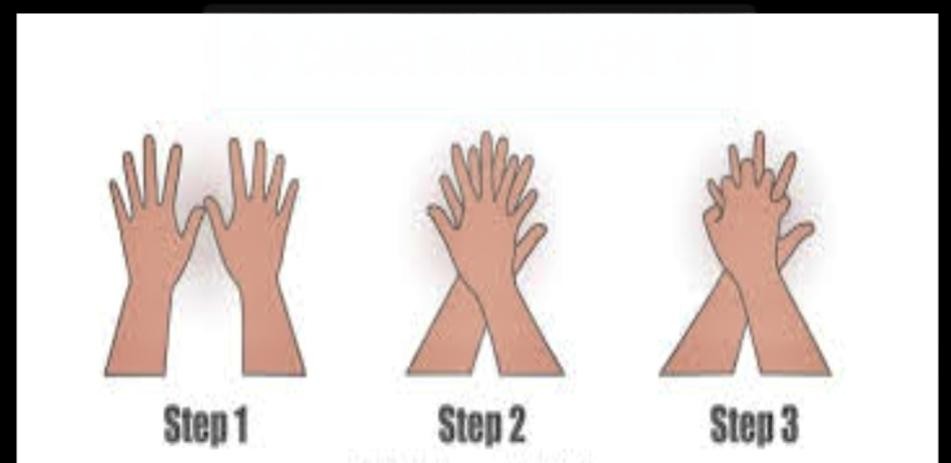
- Place your other hand on top with fingers interlaced
- Push down 1–1.5 inches at a rate of 100–120 compressions per minute
- Continue for 30 compressions
- Give 2 Breaths (if trained)
- Pinch the nose shut and give one breath through the mouth
- Give a second breath
- Continue cycles of compressions and breaths
- Continue CPR until medical help arrives or the person regains consciousness.
Special Considerations
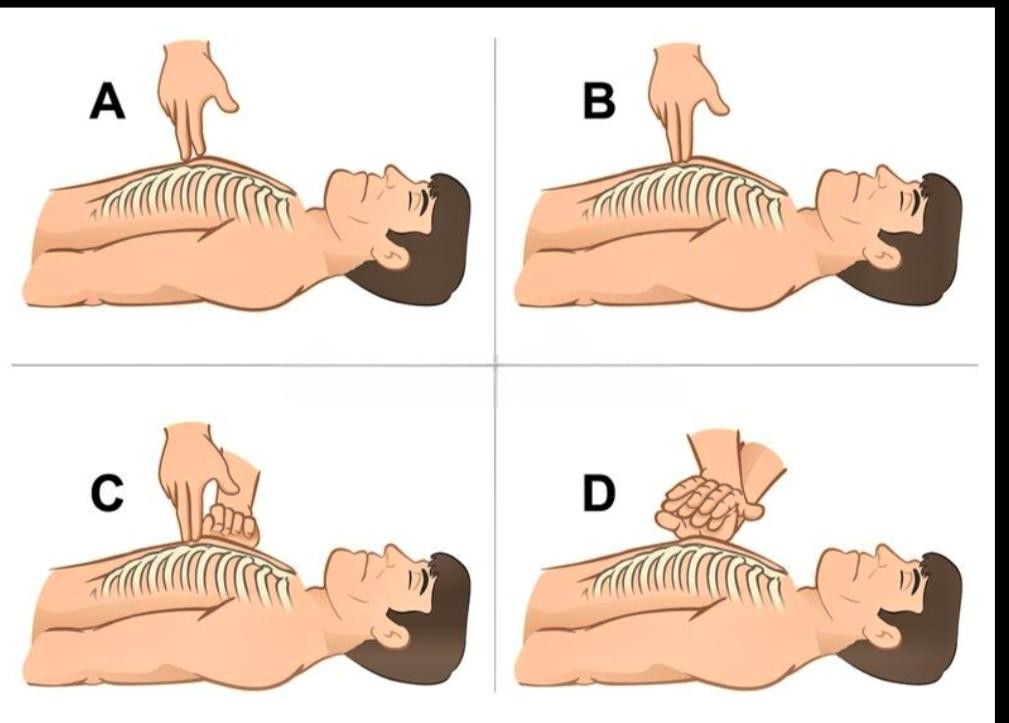
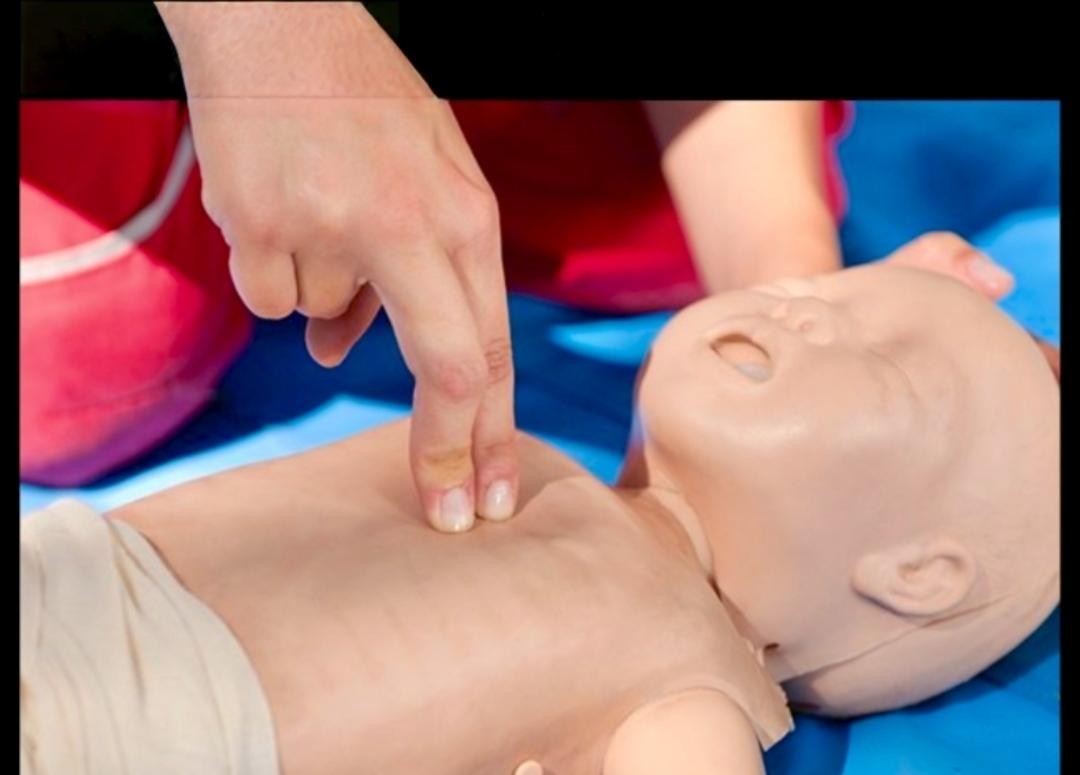
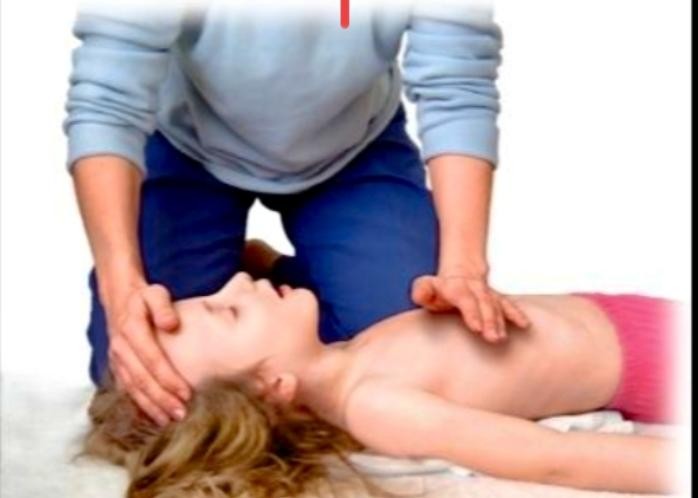
- For children and infants:
- Use one hand or two fingers for compressions
- Apply gentler pressure
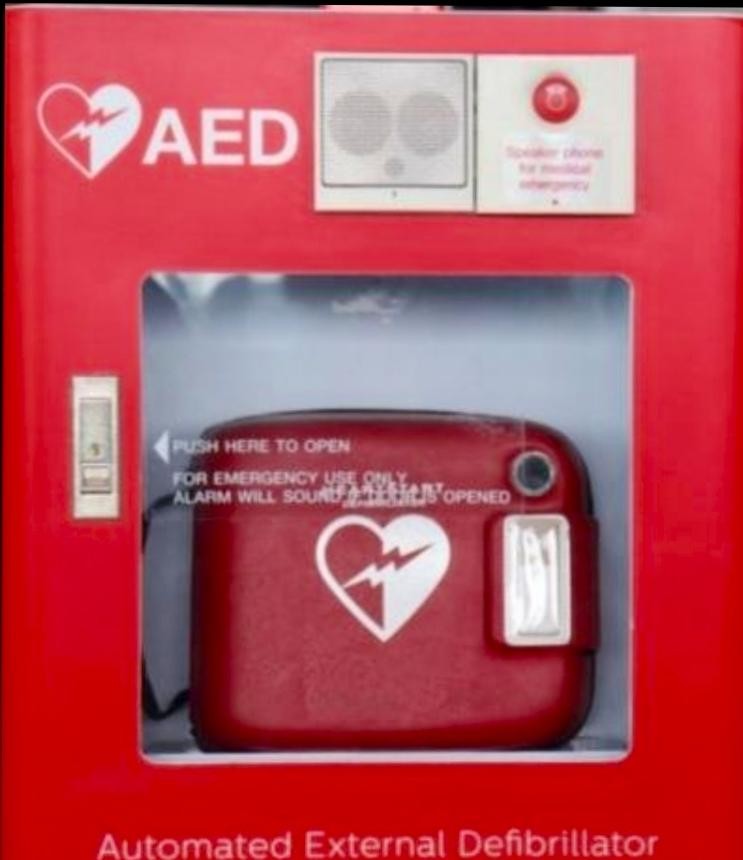
- If you have access to an AED:
- Use an Automated External Defibrillator (AED)
- Follow the AED’s voice instructions
Do NOT perform CPR if:
- The person is responsive or has a pulse
- The person has a Do Not Resuscitate (DNR) order
- You are not trained in CPR
Importance of CPR Training
CPR training is crucial for everyone, especially those in high-risk groups or with family members who have heart conditions. By learning CPR, you can save a life.
Remember, CPR is a simple yet powerful technique that can save lives. Learn CPR and be prepared to act in an emergency!
Free CPR Training & Certification
At Cauvery Heart and Multi-speciality Hospital, we train and certify school children, college students, lay public, apartment residents, doctors, and paramedical staff under the aegis of the Indian Resuscitation Council Federation.
Contact for Free CPR Training
Dr. Vaidyanathan
Chief Intensivist
Convener, Indian Resuscitation Council Federation
Phone: 9886031067
Email: vaidyanathandr@gmail.com
Email: vaidyanathan@cauveryhospital.org


0 Comments